The Lab
11/05/2026

Daniel Cuddy
The Lab | CL-20
CL-20 is one of the most powerful conventional explosives ever made. It was first synthesized in the United States in 1987, at what is now Naval Air Weapons Station China Lake, and it packs more energy than HMX, the high-performance explosive in service today. Nearly forty years later it still has not entered US service. Power was never the problem. CL-20 is touchy: it reacts to impact and friction more readily than the explosives it would replace, and modern munitions have to survive being dropped, shot at and caught in fires without going off.
In October, researchers at Nanjing University of Science and Technology published a paper in Propellants, Explosives, Pyrotechnics describing a CL-20 sodium alginate core-shell composite. Sodium alginate is a cheap, naturally abundant polysaccharide extracted from seaweed and used as a food thickener. The team coated CL-20 crystals with it using a simple solution dispersion and filtration method, with the alginate bonding to the crystal surface through hydrogen bonds.
The results are notable. In BAM fall hammer testing, the energy needed to set off the material rose from 2.0 J for bare CL-20 to 22.5 J for the coated composite, roughly an elevenfold drop in impact sensitivity. Friction sensitivity also improved, from 80 N to 112 N. The coating did not change CL-20's crystal structure, and it made decomposition more gradual, with the shell absorbing part of the impact or friction energy as it deforms.
Desensitizing CL-20 is not a new idea. Researchers have tried polymer coatings, co-crystals and binders for years. What stands out here is the cost and simplicity: a commodity food ingredient and a bench-scale wet process, not exotic materials or specialized equipment. If an approach like this holds up, it lowers one of the barriers between a powerful molecule and a fielded munition.
It also fits a pattern. Chinese institutions publish steadily on CL-20 and other next-generation energetics, from formulation and coatings to AI-driven molecule design. The country's leading energetics journal devoted a special section of its October issue to AI-enabled design of energetic materials. The volume of that work matters on its own: it is how a lab curiosity becomes a production material.
This is a lab result. Open questions include how much energy the coating gives up, how the composite behaves under shock and heat rather than drop and friction tests, how it ages in storage, and whether the process scales from grams to tons with consistent coverage. Any of those can stop a promising material. A coating that works in a paper still has to work in a formulation, in a component and in a weapon.
The West invented CL-20 and then let it sit. The bottleneck has not been chemistry so much as the long, separate qualification of material, component and system, and the lack of a program pulling a new explosive into service. Every paper like this one is a step on someone else's path from molecule to munition. Keeping pace means funding the unglamorous work of making new energetics safe, scalable and qualified, not just discovering them.
Source: Chen et al., "Fabrication and Characterization of CL-20@Sodium Alginate Core-Shell Composites With Enhanced Safety," Propellants, Explosives, Pyrotechnics, October 2026 (doi.org/10.1002/prep.70298).
The Lab
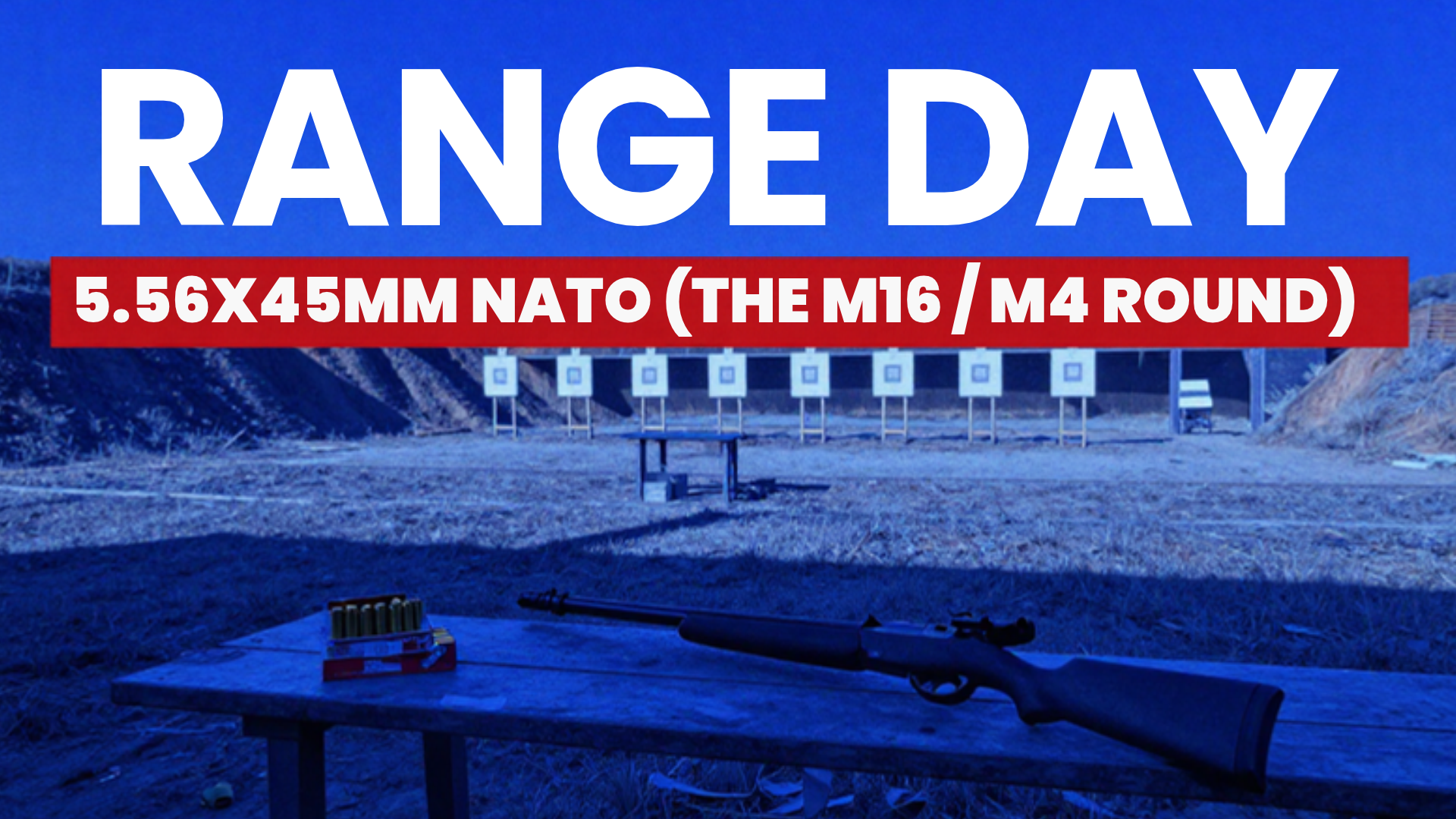
We take apart the 5.56x45mm NATO, the M16 and M4 round, from Eugene Stoner's AR-15 to the powder that jammed rifles in Vietnam.
11/21/2026
The Lab
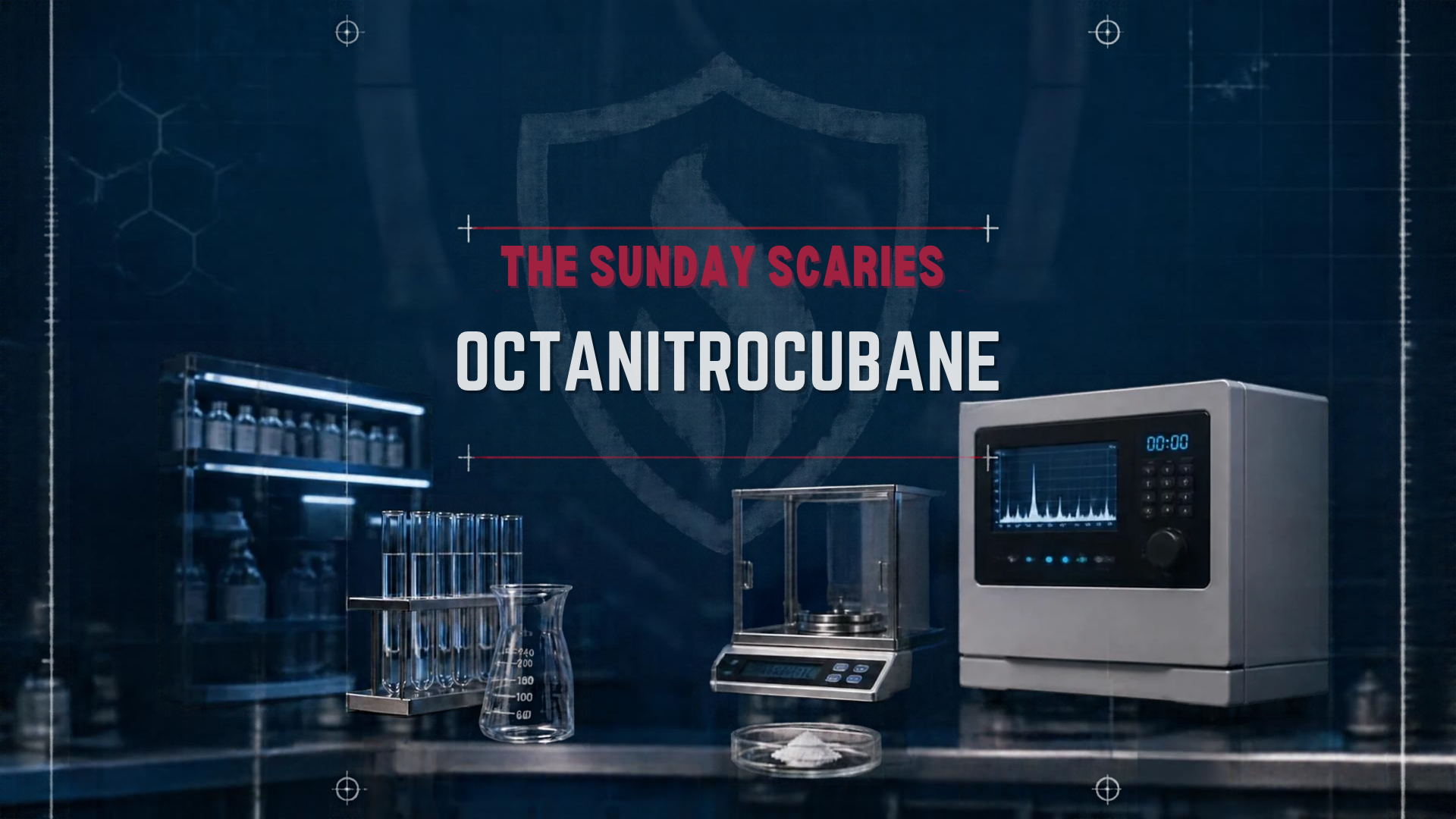
How an Army chemist's idea for a cube-shaped explosive took 15 years to build, beat HMX on paper, and still never left the lab.
11/15/2026
The Lab
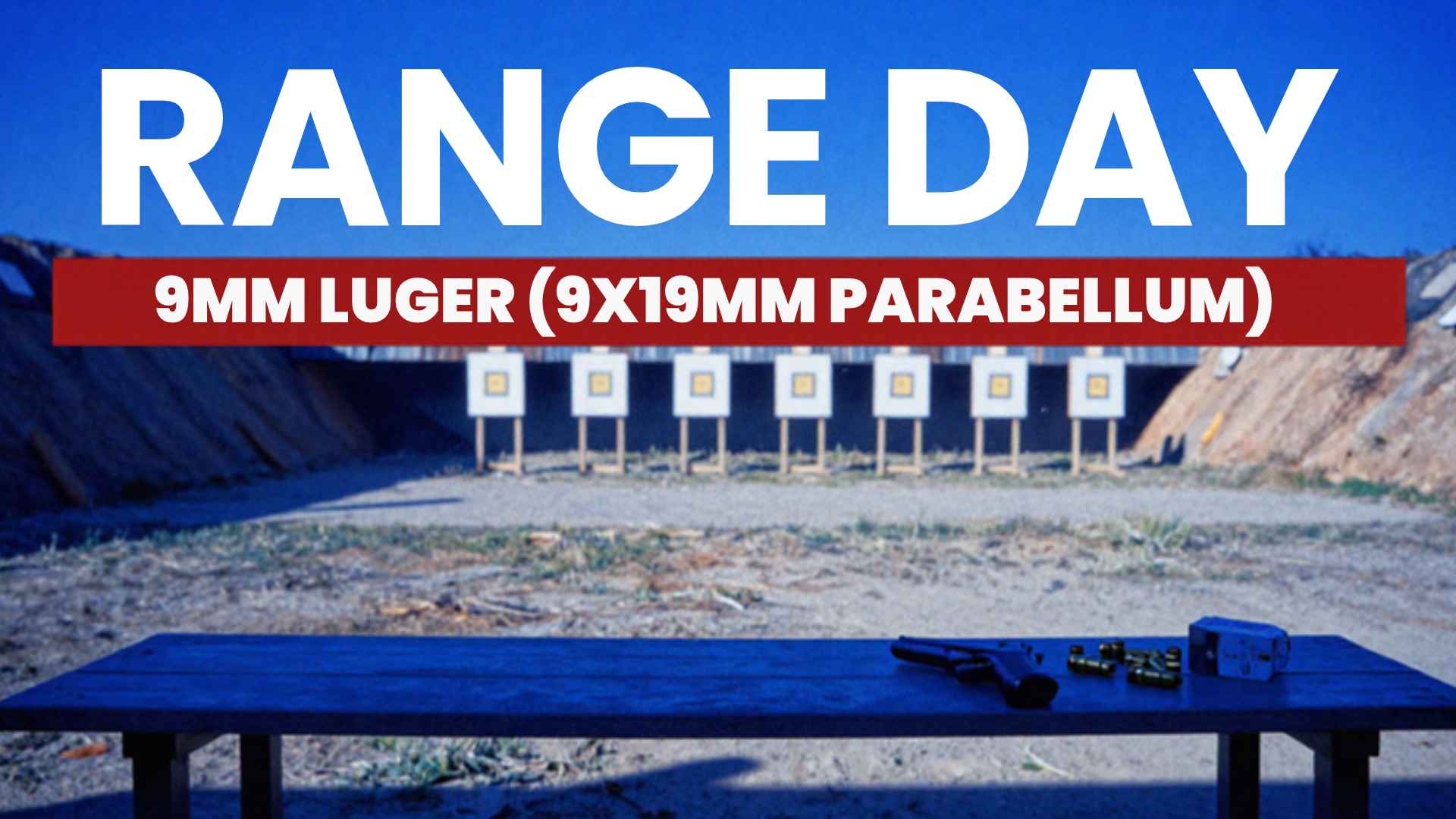
We take apart the 9mm Luger, from Georg Luger's 1902 design to the case, primer, powder and bullet inside every round.
11/14/2026


Copyright © 2026 Supply Energetics All Rights Reserved.
Copyright © 2026 Supply Energetics All Rights Reserved.


 +441174634329
 Contact Us