The Lab
11/14/2026

Jeff Brothers
Range Day | 9mm Luger
Every Saturday we take one round apart. This week it's the 9mm Luger, also known as the 9x19mm Parabellum.
Georg Luger designed it, and Deutsche Waffen- und Munitionsfabriken (DWM) in Berlin introduced it in 1902. The Imperial German Navy adopted it in 1904, and the German Army followed in 1908.
Prepare for war: "Parabellum" comes from the Latin "Si vis pacem, para bellum" (if you want peace, prepare for war). DWM trademarked it in 1900 as its telegraph code name.
Where the "19" comes from: the case is brass, rimless and 19.15 mm long. It's lit by a small pistol primer, and it holds only about 14.5 grains of water.
Tiny charge, big job: each round uses a few grains of fast-burning smokeless powder. A pound of powder is 7,000 grains, so one pound loads well over a thousand rounds. Standard 9mm reaches SAAMI's maximum average pressure of 35,000 psi in a fraction of a millisecond.
Not actually smokeless: smokeless powder burns rather than explodes, making gas that pushes the bullet with far less smoke and residue than old black powder. Single-base powders are nitrocellulose. Double-base powders add nitroglycerin for more energy and are common in fast pistol powders. The grains also carry stabilizers, burn-rate deterrents and a graphite coating.
The projectile is .355 inches in diameter and typically weighs 115, 124 or 147 grains.
The comeback kid: in 2014 the FBI released a report finding that modern 9mm loads perform comparably to .40 S&W and .45 ACP, with less recoil and higher capacity, and returned to the 9mm. Police departments followed.
Hitting the range this weekend? Shoot straight.
The Lab
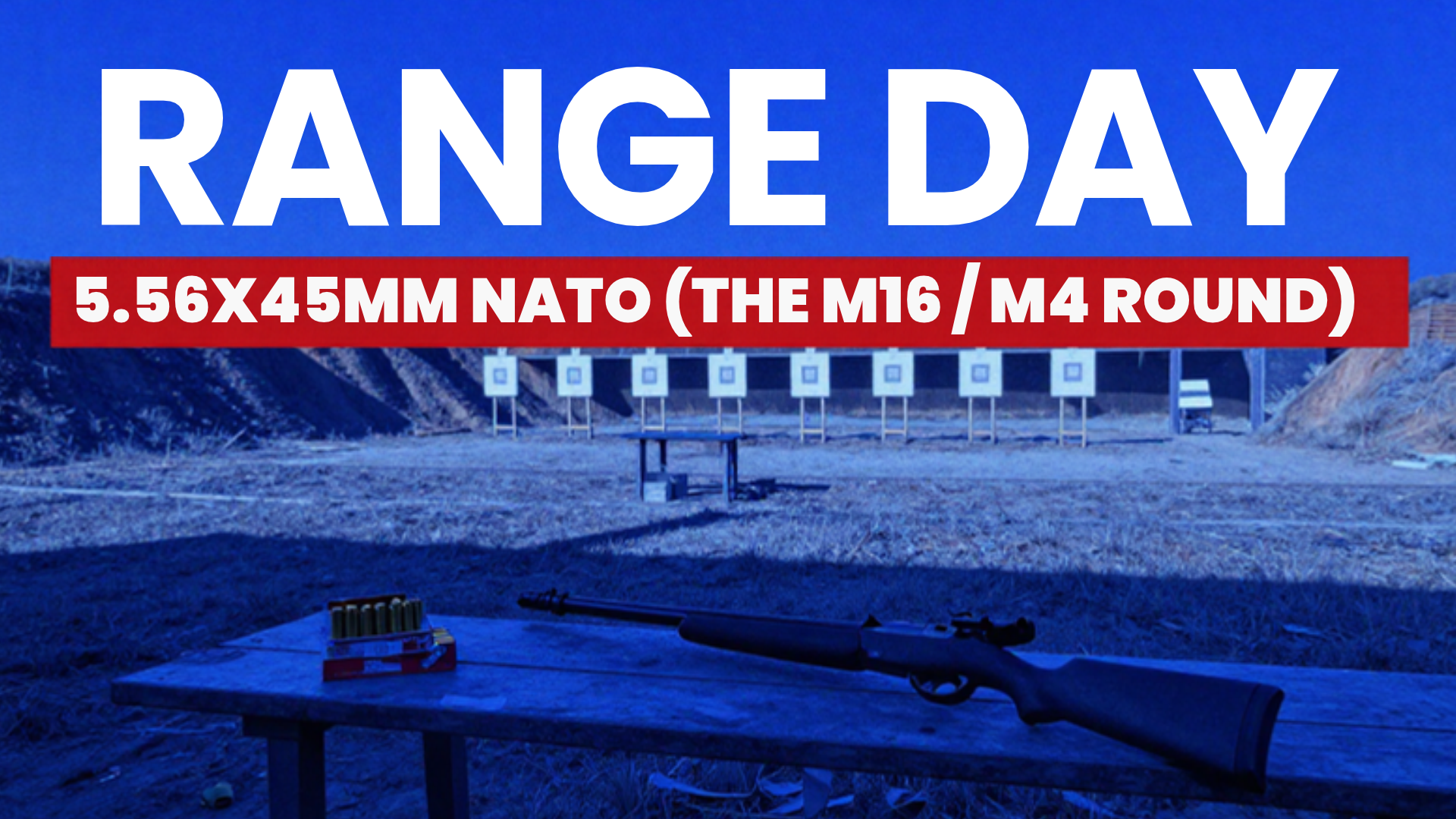
We take apart the 5.56x45mm NATO, the M16 and M4 round, from Eugene Stoner's AR-15 to the powder that jammed rifles in Vietnam.
11/21/2026
The Lab
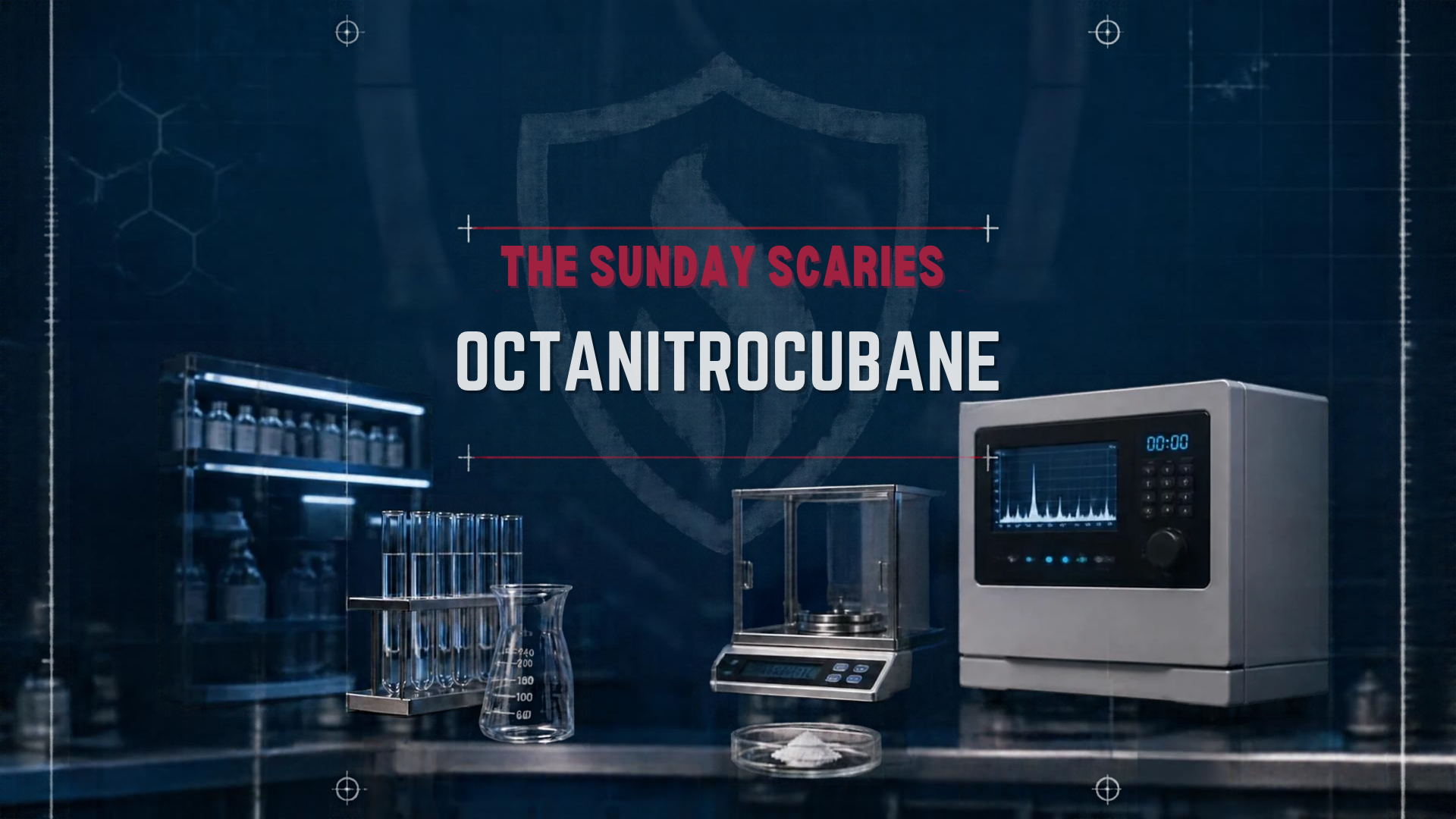
How an Army chemist's idea for a cube-shaped explosive took 15 years to build, beat HMX on paper, and still never left the lab.
11/15/2026

News
Session proposals and abstracts are now open for the International Nitrocellulose & Heat Flow Calorimetry Symposium, September 21-23, 2027 in Washington, DC, with submissions due January 29, 2027.
11/13/2026


Copyright © 2026 Supply Energetics All Rights Reserved.
Copyright © 2026 Supply Energetics All Rights Reserved.


 +441174634329
 Contact Us