Intel
11/10/2026

Jeff Brothers
Intel | Ammunition Plants
Anyone who has worked inside an ammunition plant knows the hardest part of a new line is rarely the steel. It is deciding where the steel is allowed to go. Every building that holds explosives sits inside safety distances, and every change to what happens inside it reopens the math. Keep that in mind when you read about the Army's new $4.17 billion plant contract.
On November 5, Army Contracting Command at Rock Island Arsenal awarded 11 multiple award task order contracts (MATOCs) to design, build and commission facilities at the Army's government-owned, contractor-operated (GOCO) ammunition plants. The shared ceiling is $4,171,491,000, firm-fixed-price, with a five-year ordering period running to November 4, 2031. Eleven firms bid. All eleven won a place.
A MATOC is a standing pool of pre-qualified contractors, not a single project. No money moved at award. When the Army funds a project, it competes that task order among the eleven, and each one gets a fair shot at it. The $4.17 billion is the most that can be ordered across all of them over five years, not money that has been spent. Think of it as a queue: once a project is funded, the Army can put it on contract in weeks instead of running a fresh competition that can take a year.
Nine awardees are construction and engineering firms: Clark Construction Group, J. Kokolakis Contracting, M.C. Dean, Burns & McDonnell, Parsons Government Services, Bering-Weston JV, Hensel Phelps, Alberici Constructors and Applied Research Associates. The other two make ammunition. BAE Systems Ordnance Systems operates Holston and Radford, and MSM Group North America, the US arm of Czech group CSG, is building the new 155mm loading complex at Iowa.
The solicitation names seven sites: Holston in Tennessee (RDX and HMX explosives), Radford in Virginia (propellants and nitrocellulose), Iowa (loading, assembly and packing of artillery rounds), Lake City in Missouri (small-caliber ammunition), Scranton in Pennsylvania (155mm projectile bodies), the Quad City Cartridge Case Facility at Rock Island, and Milan in Tennessee, which the Army deactivated in April 2025. Many of these plants date to World War II.
Speed. The Army has costed modernizing its depots, arsenals and ammunition plants at about $18 billion over 15 years, an estimate made before recent construction inflation. A pre-competed pool shortens the gap between a funded project and a shovel in the ground.
Process knowledge counts. Seating two plant operators next to general contractors is an admission that the hard part of an ammunition plant is energetics process and explosives safety, not concrete. In a design-build order the builder owns the design, which means it also owns the explosives safety site plan and its schedule risk. Commissioning means proving a line with live energetic material before the operator accepts it. Builders who have not done that inside an active plant will learn fast.
The energetics end is in scope. Radford is the Army's plant for military propellant and nitrocellulose, and Holston is the sole US producer of RDX and HMX. Orders at either go straight at the most concentrated points in the munitions supply chain.
It does not fix everything. The Pentagon's Inspector General found in July that 155mm shell output was held back by projectile metal parts, and the struggling plant in Mesquite, Texas is contractor-owned. That puts it outside this contract.
The first task orders. If they go to Scranton and Iowa, the Army is using this contract to push 155mm output. If they go to Holston and Radford, it is buying energetics resilience. Also watch how orders handle conflicts of interest, since two awardees could bid on work at plants they already run. The headline is $4.17 billion. The story is where the first dollar lands.
Sources: US Department of War contract announcements (November 5 and 6, 2026); SAM.gov award notice for solicitation W519TC26RA020; CSG (November 6, 2026); DoW Office of Inspector General report DOWIG-2026-095 (July 2026); US Army Organic Industrial Base Modernization Implementation Plan.
The Lab
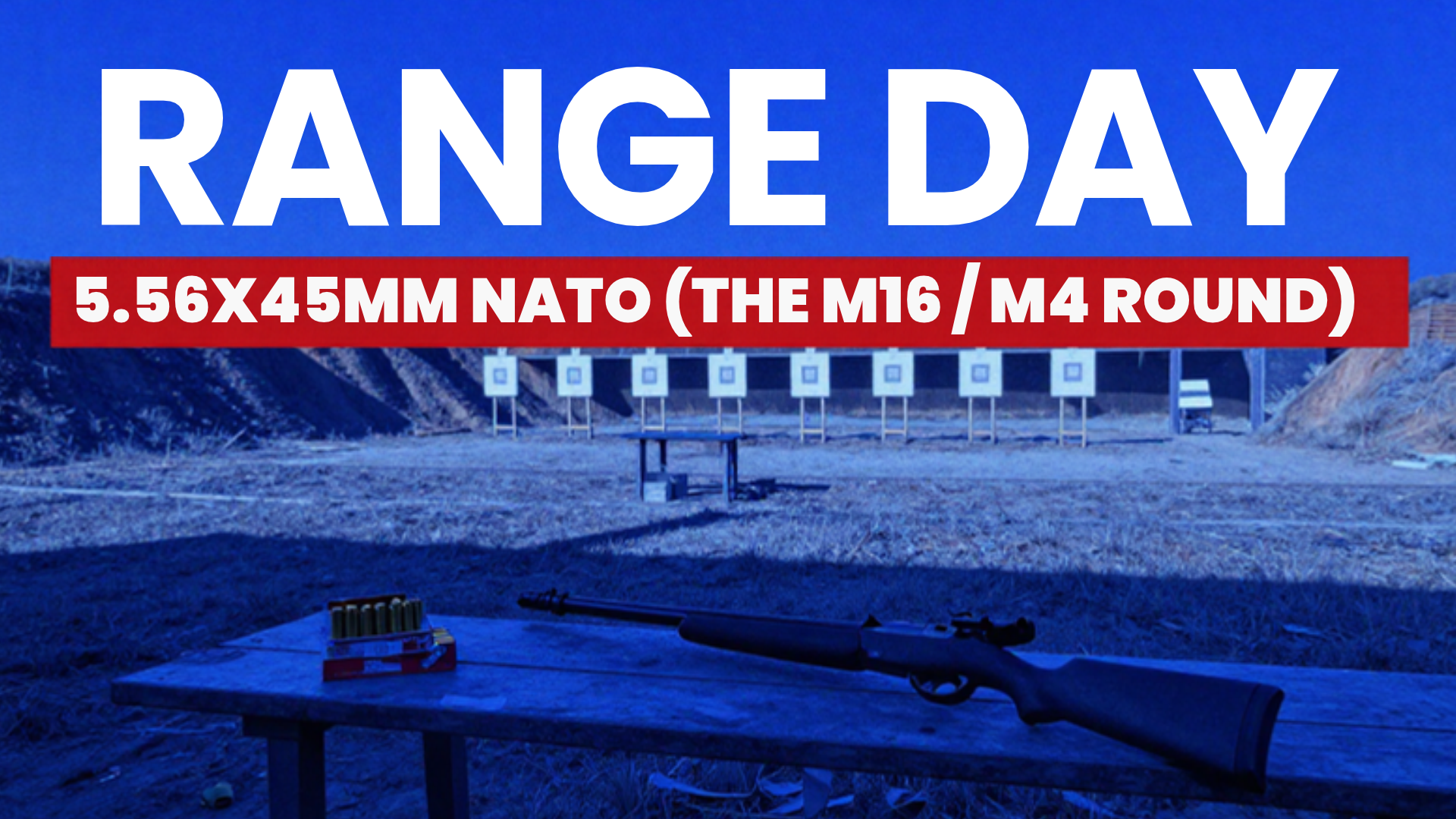
We take apart the 5.56x45mm NATO, the M16 and M4 round, from Eugene Stoner's AR-15 to the powder that jammed rifles in Vietnam.
11/21/2026

The Lab
How an Army chemist's idea for a cube-shaped explosive took 15 years to build, beat HMX on paper, and still never left the lab.
11/15/2026
The Lab
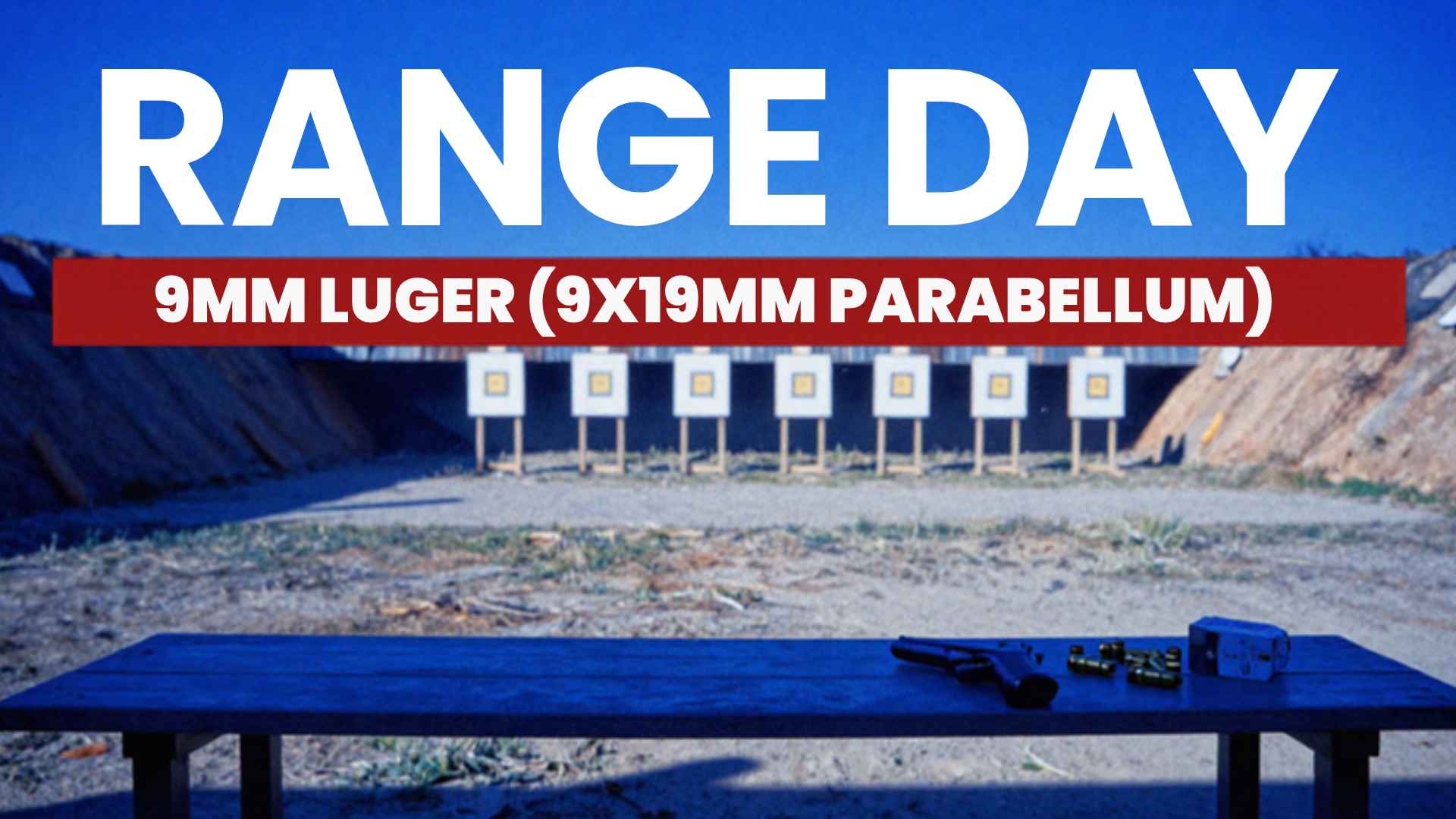
We take apart the 9mm Luger, from Georg Luger's 1902 design to the case, primer, powder and bullet inside every round.
11/14/2026


Copyright © 2026 Supply Energetics All Rights Reserved.
Copyright © 2026 Supply Energetics All Rights Reserved.


 +441174634329
 Contact Us